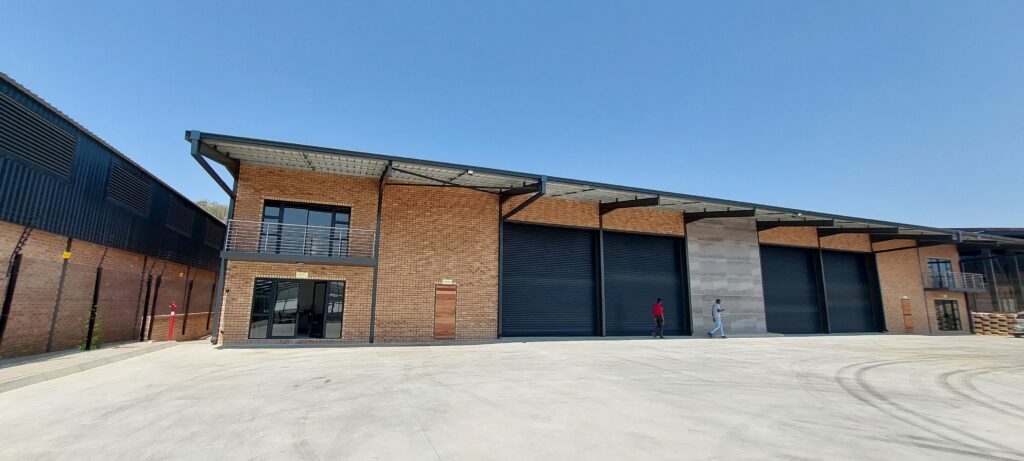
Township Untouched Property Rental Business.
South Africa continues to face significant housing shortages, particularly within townships where urbanisation, population growth, and economic migration have increased the demand for affordable accommodation. Many township residents own untouched or vacant properties that remain undeveloped for years due to financial constraints, lack of information, or uncertainty about where to begin. These properties represent an untapped economic opportunity that can generate sustainable income while addressing the country’s housing needs.
A township untouched property rental business involves developing vacant residential land into rental accommodation that provides affordable housing while creating long-term wealth for the property owner. This business model has become increasingly popular because it offers recurring monthly income, capital appreciation, and employment opportunities within local communities.
Rather than allowing vacant land to remain unused, entrepreneurs can transform these spaces into valuable rental assets. Whether the development consists of bachelor rooms, backrooms, family units, or modern apartments, the goal remains the same: generating reliable rental income while improving living conditions for tenants.
This document explores the township untouched property rental business, discussing its opportunities, planning requirements, financing options, construction strategies, marketing techniques, financial management, challenges, and future prospects.
Understanding Township Property Investment
Townships across South Africa possess enormous investment potential. Areas such as Soweto, Tembisa, Katlehong, Mamelodi, Umlazi, Mdantsane, Khayelitsha, Seshego, and many others continue experiencing high rental demand due to increasing urban populations.
Many working-class individuals cannot afford traditional suburban housing. Instead, they seek affordable rental accommodation located near transport routes, schools, shopping centres, hospitals, and employment opportunities.
Vacant township properties offer several advantages:
- Lower acquisition costs compared to suburban land.
- High rental demand.
- Opportunities for phased development.
- Strong community growth.
- Long-term property appreciation.
- Multiple income streams from one property.
Instead of selling vacant land, property owners can develop rental units that provide income for decades.
Why Rental Accommodation is Growing
Several economic and social factors have increased rental demand within townships.
Urbanisation
People continue moving from rural areas into cities seeking employment and better educational opportunities. This migration creates greater demand for affordable housing.
Youth Independence
Young professionals increasingly prefer renting instead of purchasing homes due to financial limitations.
Rising Property Prices
High property prices make homeownership difficult, causing more families to rent for longer periods.
Employment Hubs
Townships located near industrial areas, mines, hospitals, universities, and commercial districts experience continuous rental demand.
Student Accommodation
Townships situated near universities and TVET colleges provide opportunities for affordable student housing.
Types of Rental Units
Different rental models suit different township markets.
Bachelor Rooms
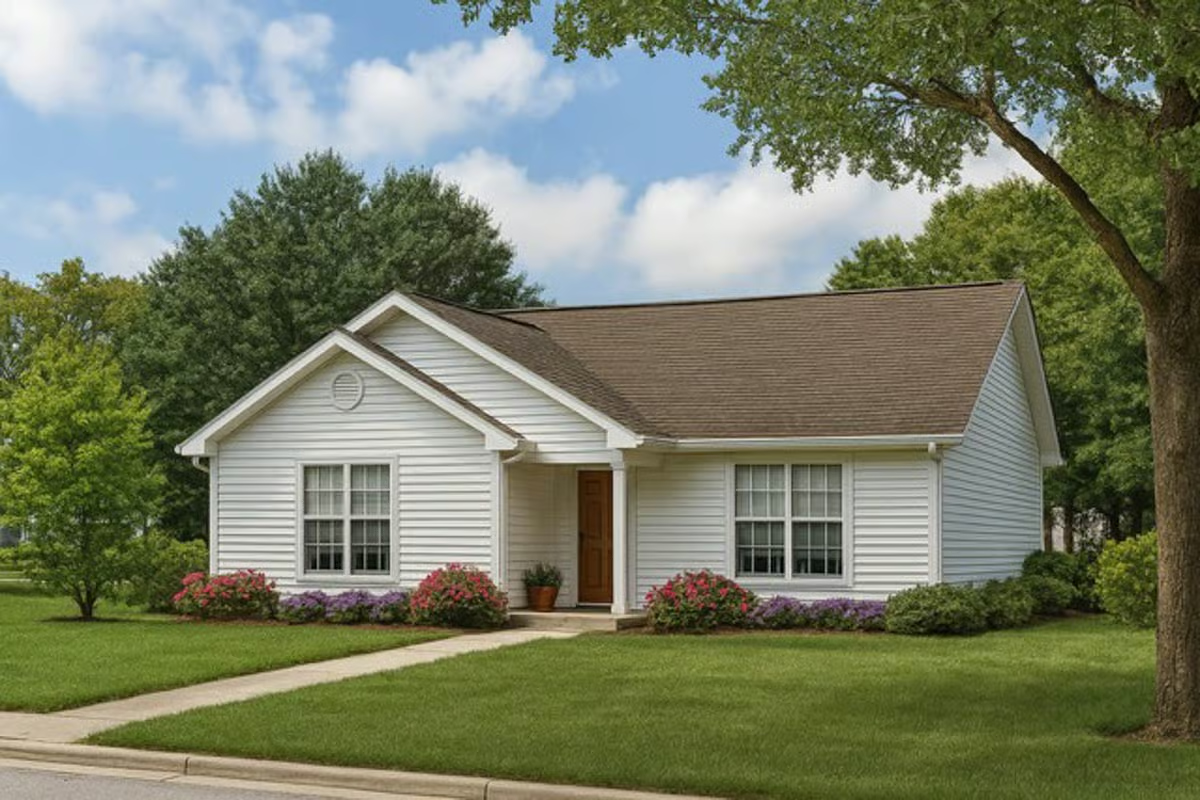
Small units containing sleeping space, kitchenette, and bathroom.
Advantages include:
- Lower construction cost
- Affordable rent
- High demand
- Easier maintenance
Family Units
Larger accommodation suitable for couples or families.
Features include:
- One or two bedrooms
- Kitchen
- Bathroom
- Living area
Backrooms
Traditional township backrooms remain popular due to affordability.
Modern Rental Apartments
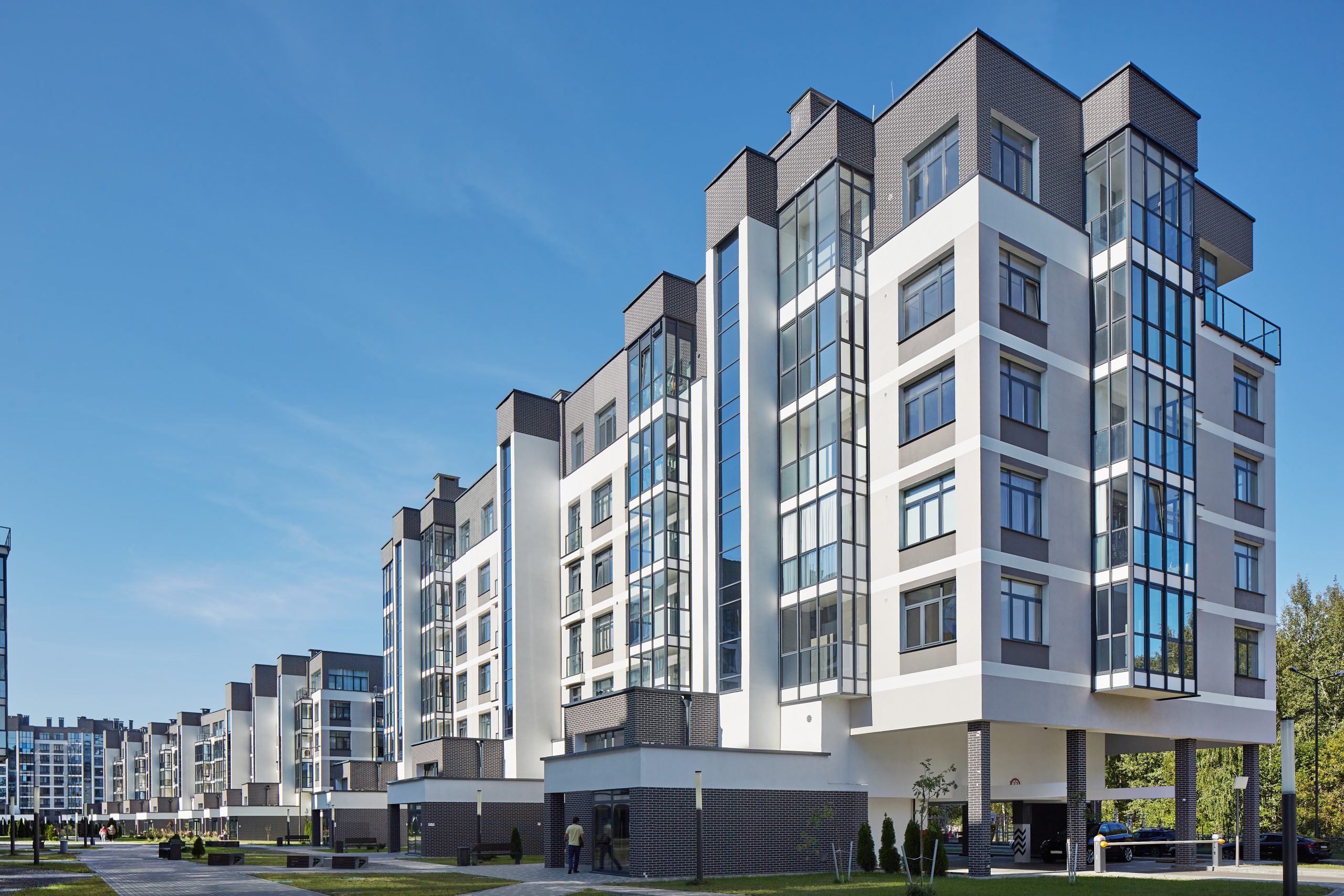
Developers increasingly build double-storey rental blocks featuring:
- Security
- Parking
- Wi-Fi
- Solar energy
- Individual electricity meters
These developments attract working professionals seeking quality accommodation.
Planning the Business
Every successful rental business begins with proper planning.
The entrepreneur should conduct market research by answering important questions:
- How many rental properties already exist?
- What rental prices are common?
- Who are the target tenants?
- What facilities are most desired?
- How much competition exists?
Understanding local demand reduces investment risk.
A business plan should include:
- Executive summary
- Market analysis
- Development plan
- Marketing strategy
- Financial projections
- Risk assessment
- Operational strategy
This plan becomes useful when applying for funding.
Choosing the Right Property
Not every vacant property is suitable for development.
Important considerations include:
Location
Properties near schools, taxi routes, shopping centres, clinics, hospitals, and industrial zones usually attract more tenants.
Size
Larger stands provide opportunities for phased expansion.
Municipal Services
Developers should verify availability of:
- Water
- Electricity
- Sewer systems
- Roads
- Waste collection
Zoning
Understanding municipal regulations helps avoid future legal complications.
Financing the Development
One of the greatest challenges facing township property investors is raising construction finance.
Funding options include:
- Personal savings
- Bank loans
- Home equity finance
- Government support programmes
- Private investors
- Property partnerships
- Construction loans
- Family investment
Many successful landlords begin by building one rental room at a time using monthly savings before expanding.
Construction Strategy
Construction quality determines future profitability.
Key considerations include:
- Durable building materials
- Proper foundations
- Waterproof roofing
- Ventilation
- Plumbing
- Electrical safety
- Security features
Many investors reduce costs through phased development.
For example:
Phase 1: Construct four rental rooms.
Phase 2: Add four additional rooms.
Phase 3: Build self-contained apartments.
This gradual approach reduces financial pressure while rental income funds future expansion.