Student Accommodation Business in South Africa
Property Proz
The student accommodation business in South Africa has become one of the fastest-growing sectors within the property industry. With increasing enrolment at universities, colleges, and technical institutions, there is a growing demand for safe, affordable, and quality accommodation for students. Many higher education institutions are unable to provide sufficient on-campus housing for all enrolled students, creating opportunities for private investors and entrepreneurs to establish student accommodation facilities.
South Africa has more than one million students enrolled in public and private higher education institutions. Major universities such as the , , , and attract thousands of students from different provinces and neighboring countries. Most of these students require accommodation close to their campuses, making the student housing market an attractive investment opportunity.
This report explores the student accommodation business in South Africa, including market opportunities, operational requirements, challenges, financial considerations, and future prospects.
Overview of Student Accommodation
Student accommodation refers to housing specifically designed or adapted for students pursuing higher education. Accommodation may be provided by universities through residence halls or by private companies and property owners through off-campus housing facilities.
Student accommodation generally includes:
- Single rooms
- Shared rooms
- Apartments
- Studio units
- Residence complexes
- Purpose-built student accommodation (PBSA)
The primary objective is to provide students with a secure, comfortable, and conducive environment for studying and personal development.
Market Demand for Student Accommodation
Growing Student Population
South Africa continues to experience growth in higher education enrolment. Government initiatives promoting access to education have increased the number of students entering universities and colleges. As enrolment increases, accommodation demand also rises.
Many universities have limited residence capacity. For example, some institutions can only accommodate a small percentage of their student population on campus. This shortage forces students to seek alternative housing in nearby communities.
Urban Migration
Many students relocate from rural areas to urban centres where universities are located. Cities such as Johannesburg, Pretoria, Cape Town, Durban, Bloemfontein, and Gqeberha attract large student populations annually. These students require accommodation close to educational institutions and public transport systems.
International Students
South Africa attracts students from across Africa due to its relatively advanced higher education system. International students require reliable accommodation, creating additional demand for quality student housing.
Business Opportunities
The student accommodation sector offers several business opportunities.
Purpose-Built Student Accommodation
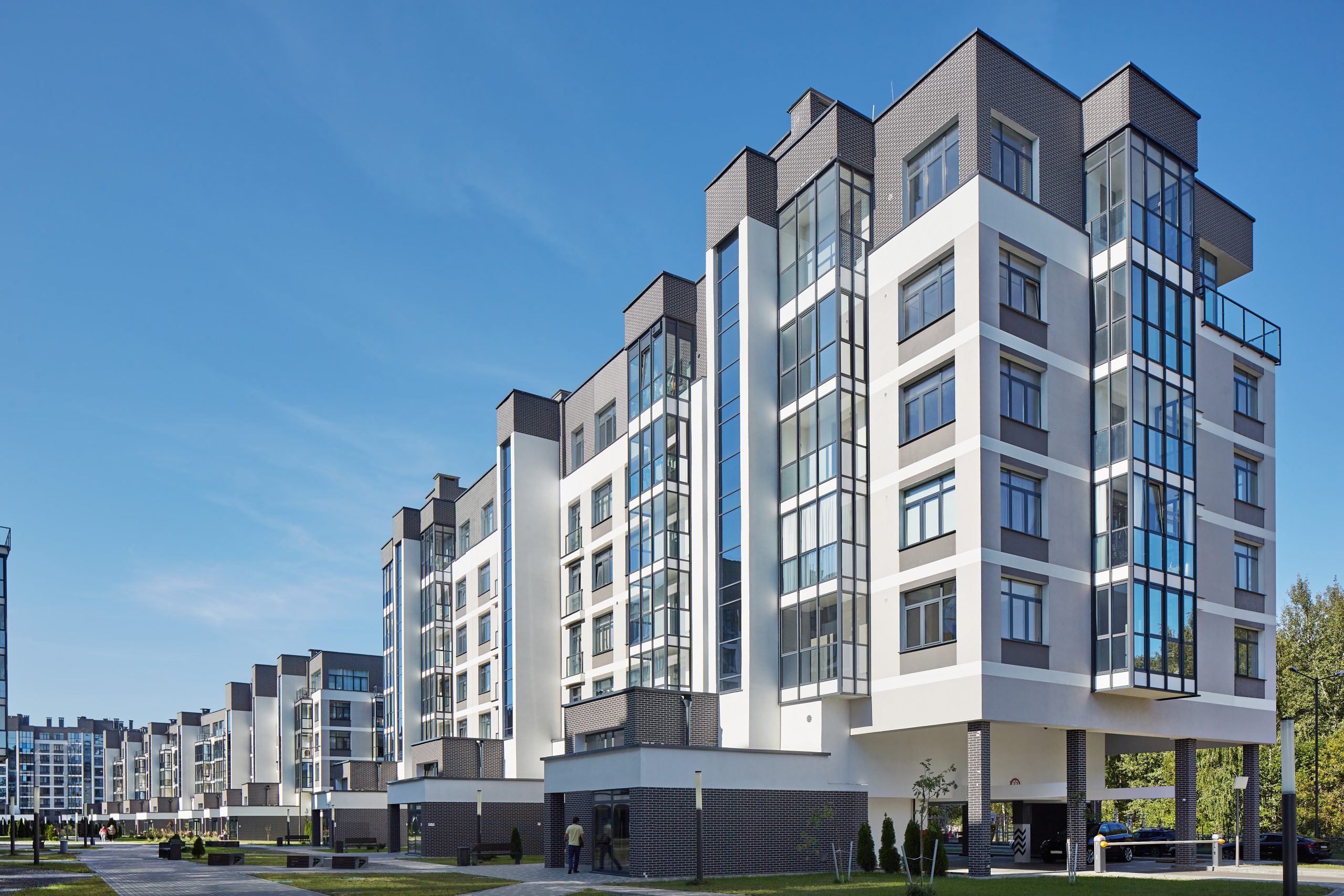
Purpose-built student accommodation involves constructing facilities specifically designed for students. These buildings include study areas, internet connectivity, laundry services, security systems, and recreational facilities.
Advantages include:
- Higher rental income
- Long-term demand
- Better tenant retention
- Modern facilities attracting students
Property Conversion
Entrepreneurs may convert existing houses, office buildings, or apartment blocks into student residences. This approach requires lower capital investment than constructing new buildings.
Benefits include:
- Faster market entry
- Lower development costs
- Opportunity to renovate underutilized properties
Managed Student Housing
Some businesses manage student accommodation on behalf of property owners. Responsibilities include:
- Tenant placement
- Rent collection
- Maintenance management
- Security supervision
- Compliance administration
This model generates income through management fees rather than property ownership.
Target Market
The target market includes:
Undergraduate Students
Most undergraduate students require accommodation for three to four years while completing their studies.
Postgraduate Students
Postgraduate students often prefer quieter accommodation with private rooms and dedicated study areas.
International Students
International students generally seek secure and fully furnished accommodation due to unfamiliarity with local environments.
NSFAS-Funded Students
The National Student Financial Aid Scheme (NSFAS) supports eligible students and covers approved accommodation expenses. Accommodation providers accredited by universities and NSFAS can benefit from guaranteed rental payments.
Location Considerations
Location is one of the most critical success factors.
Ideal locations include:
- Within walking distance of campuses
- Near public transport routes
- Close to shopping centres
- Safe neighborhoods
- Areas with reliable municipal services
Properties near major universities often achieve high occupancy rates and strong rental returns.
Important student accommodation hubs include:
- Johannesburg
- Pretoria
- Cape Town
- Durban
- Bloemfontein
- Gqeberha
- Polokwane
- East London
Facilities and Services
Modern students expect more than just a room.
Essential Facilities
A successful student residence should provide:
- Comfortable beds
- Study desks
- Wardrobes
- Shared or private bathrooms
- Kitchen facilities
- High-speed internet
- Adequate lighting
Security Features
Security is a major concern for students and parents.
Important measures include:
- CCTV surveillance
- Access control systems
- Security guards
- Perimeter fencing
- Emergency response systems
Additional Amenities
Competitive accommodation providers offer:
- Laundry facilities
- Study rooms
- Recreational spaces
- Gym facilities
- Wi-Fi
- Backup power systems
These amenities improve student satisfaction and occupancy levels.
Regulatory Requirements
Student accommodation businesses must comply with several legal requirements.
Business Registration
The business must be registered with the relevant authorities and comply with tax regulations.
Municipal Compliance
Property owners must obtain:
- Zoning approvals
- Building permits
- Fire safety certificates
- Health compliance certificates
University Accreditation
Many universities maintain accreditation systems for off-campus accommodation providers. Accreditation assures students that the facility meets minimum standards.
NSFAS Accreditation
Accommodation providers serving NSFAS-funded students may require approval through university and NSFAS processes.
Compliance increases credibility and access to larger student markets.
Revenue Model
Student accommodation businesses generate income primarily through rental payments.
Rental Income
Revenue depends on:
- Number of rooms
- Occupancy rate
- Rental price per bed
- Lease duration
For example:
A residence with 100 beds charging R4,500 per month could generate:
100 × R4,500 = R450,000 per month
Annual revenue:
R450,000 × 12 = R5.4 million
Additional Revenue Sources
Additional income may come from:
- Parking fees
- Laundry services
- Vending machines
- Internet upgrades
- Printing services
- Event space rentals
Diversified income streams improve profitability.
Cost Structure
Initial Costs
Starting a student accommodation business may involve:
- Property acquisition
- Construction costs
- Renovation expenses
- Furniture and equipment
- Security installations
- Marketing costs
Operating Costs
Recurring expenses include:
- Utilities
- Staff salaries
- Security services
- Internet services
- Maintenance
- Insurance
- Municipal rates and taxes
Effective cost management is essential for profitability.
Marketing Strategies
Student accommodation providers must actively market their services.
Digital Marketing
Online marketing methods include:
- Websites
- Social media platforms
- Online advertisements
- Search engine optimization
Students frequently search online when looking for accommodation.
University Partnerships
Building relationships with universities can increase referrals and credibility.
Student Ambassadors
Satisfied students can promote accommodation through word-of-mouth recommendations.
Open Days
Property tours allow prospective students and parents to inspect facilities before making decisions.
Challenges Facing the Industry
Rising Property Costs
Property prices and construction costs continue to increase, making expansion more expensive.
Security Risks
Crime remains a concern in some areas. Providers must invest significantly in security infrastructure.
Maintenance Costs
High occupancy levels increase wear and tear on facilities.
Regulatory Compliance
Meeting evolving municipal and accreditation requirements may require ongoing investment.
Competition
The sector is becoming increasingly competitive as more investors enter the market.
Businesses must differentiate themselves through quality service and superior facilities.
Technology in Student Accommodation
Technology plays an important role in modern student housing.
Online Booking Systems
Students can:
- View available rooms
- Submit applications
- Upload documents
- Make payments
Smart Security
Advanced security technologies include:
- Biometric access
- Mobile access control
- Smart surveillance systems
Property Management Software
Management software helps operators:
- Track occupancy
- Manage maintenance requests
- Monitor finances
- Improve communication
Technology enhances operational efficiency and tenant satisfaction.
Sustainability and Green Practices
Environmental sustainability is becoming increasingly important.
Examples include:
- Solar power systems
- Water-saving technologies
- Recycling programs
- Energy-efficient lighting
- Green building materials
Sustainable practices reduce operating costs while supporting environmental responsibility.
Financial Viability
Student accommodation is generally regarded as a resilient property investment.
Factors supporting financial viability include:
- Consistent demand
- High occupancy rates
- Long-term growth in student enrolment
- Recurring rental income
Many investors consider student housing less volatile than traditional residential rentals because student demand remains relatively stable.
Return on Investment
Returns depend on:
- Location
- Occupancy rate
- Rental pricing
- Operating efficiency
Well-managed facilities near major universities often achieve attractive returns on investment.
Future Outlook
The future of student accommodation in South Africa appears promising.
Key growth drivers include:
- Expanding higher education enrolment
- Continued accommodation shortages
- Urbanization
- Increased private-sector participation
- Government support for education access
Purpose-built student accommodation is expected to grow significantly as investors recognize opportunities within the sector.
Technology integration, improved security, and enhanced student experiences will likely shape future developments.
Conclusion
The student accommodation business in South Africa presents substantial opportunities for entrepreneurs, property developers, and investors. The persistent shortage of university housing, coupled with increasing student enrolment, creates strong and sustainable demand for quality accommodation.
Success in this industry depends on strategic location selection, regulatory compliance, effective management, strong security measures, and a commitment to student well-being. Providers who offer affordable, safe, and modern accommodation are well positioned to achieve high occupancy rates and long-term profitability.
As South Africa continues to expand access to higher education, the student accommodation sector will remain a critical component of the educational ecosystem and a valuable investment opportunity. With proper planning, financial management, and service excellence, student accommodation businesses can contribute significantly to both educational development and economic growth in the country.