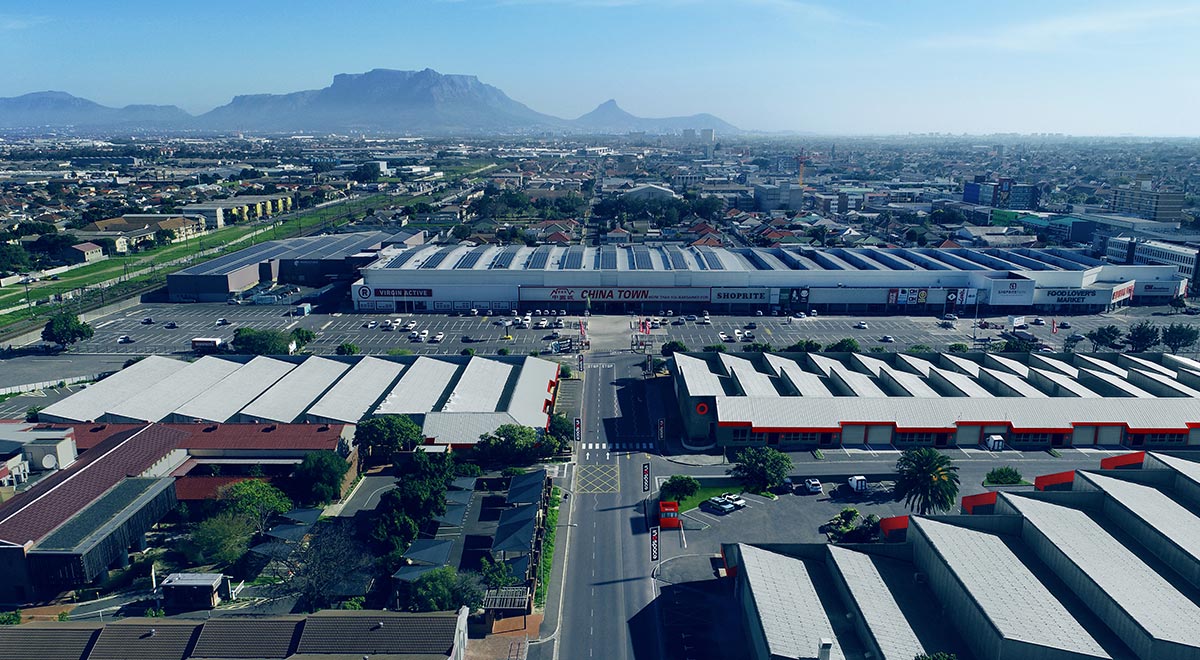
How to Open a Shopping Mall in South Africa
Opening a shopping mall in South Africa is a major investment project that requires careful planning, substantial capital, market research, legal compliance, and effective management. Shopping malls serve as important commercial centers where retailers, restaurants, entertainment venues, and service providers operate under one roof. South Africa has a well-developed retail sector, making it an attractive market for mall development, particularly in growing urban and suburban areas.
However, building and operating a successful mall involves more than constructing a large building. Developers must understand consumer behavior, identify suitable locations, secure financing, obtain government approvals, attract tenants, and implement efficient operational systems. This document outlines the key steps involved in opening a shopping mall in South Africa.
Step 1: Conduct Market Research
The first step in opening a mall is conducting comprehensive market research. This helps determine whether there is sufficient demand for a new shopping center in the target area.
Market research should focus on:
- Population size and growth trends
- Income levels of residents
- Consumer spending habits
- Existing shopping facilities
- Competitor analysis
- Traffic patterns
- Future development plans in the area
For example, if a region is experiencing rapid residential growth but lacks modern retail facilities, it may present a strong opportunity for mall development.
Developers should also identify the target market. Some malls cater to luxury shoppers, while others focus on middle-income or budget-conscious consumers. Understanding the target audience helps shape the mall’s design, tenant mix, and marketing strategy.
Step 2: Develop a Business Plan
A detailed business plan is essential for attracting investors and securing financing.
The business plan should include:
Executive Summary
An overview of the project, including location, size, and objectives.
Market Analysis
Findings from market research.
Financial Projections
Expected construction costs, rental income, operating expenses, and profits.
Marketing Strategy
Plans for attracting retailers and customers.
Risk Assessment
Potential challenges and mitigation strategies.
Management Structure
Details about the development and management team.
A well-prepared business plan demonstrates the project’s viability and increases investor confidence.
Step 3: Secure Funding
Building a shopping mall requires significant capital investment. Depending on the size and location, costs can range from tens of millions to billions of rand.
Common funding sources include:
Bank Loans
Commercial banks may provide development financing if the project is financially viable.
Private Investors
High-net-worth individuals and investment groups often invest in commercial real estate.
Property Development Companies
Partnerships with experienced developers can reduce financial risk.
Real Estate Investment Trusts (REITs)
REITs may invest in income-generating retail properties.
Government Incentives
In some cases, local authorities may offer incentives for developments that create jobs and stimulate economic growth.
Developers must prepare detailed financial models to demonstrate profitability and repayment capacity.
Step 4: Choose the Right Location
Location is one of the most important factors in a mall’s success.
Key considerations include:
Accessibility
The site should be easily accessible by road and public transportation.
Visibility
High visibility increases customer traffic.
Population Density
Areas with large populations offer a larger customer base.
Economic Activity
Regions with strong economic growth are more attractive.
Parking Availability
Adequate parking is essential for customer convenience.
Future Development
Nearby residential and commercial developments can increase future demand.
Popular mall locations in South Africa are often near highways, residential estates, business districts, and transportation hubs.
Step 5: Acquire Land
Once a suitable location has been identified, the next step is purchasing or leasing the land.
Important considerations include:
- Land ownership verification
- Zoning regulations
- Environmental restrictions
- Utility access
- Land size requirements
Legal professionals should conduct due diligence to ensure there are no disputes, encumbrances, or restrictions affecting the property.
Step 6: Obtain Regulatory Approvals
Developers must comply with South African laws and municipal regulations.
Required approvals may include:
Rezoning Approval
If the land is not zoned for commercial use, rezoning may be necessary.
Environmental Impact Assessment (EIA)
Large developments often require environmental approval.
Building Plan Approval
Architectural plans must be approved by local authorities.
Health and Safety Compliance
The development must meet health and safety standards.
Fire Safety Certification
Fire prevention and evacuation systems must comply with regulations.
Utility Approvals
Water, electricity, sewage, and telecommunications connections must be approved.
Obtaining permits can take several months, so developers should begin the process early.
Step 7: Design the Mall
The design phase transforms the concept into detailed architectural plans.
Important design elements include:
Retail Space Layout
Stores should be arranged to maximize customer flow.
Anchor Tenants
Large retailers attract customers and support smaller stores.
Food Courts
Dining options increase customer dwell time.
Entertainment Facilities
Cinemas, gaming centers, and family attractions can increase foot traffic.
Parking Areas
Adequate parking is critical.
Security Systems
Modern surveillance and access control systems improve safety.
Accessibility
Facilities should accommodate people with disabilities.
The design should create an attractive and convenient shopping experience.
Step 8: Hire Professional Teams
Mall development requires expertise from various professionals, including:
- Architects
- Engineers
- Quantity surveyors
- Project managers
- Environmental consultants
- Legal advisors
- Financial consultants
These specialists help ensure the project meets technical, financial, and regulatory requirements.
Step 9: Begin Construction
Construction is one of the most expensive phases of the project.
Key activities include:
- Site preparation
- Foundation work
- Structural construction
- Electrical installation
- Plumbing systems
- Air conditioning systems
- Interior finishing
- Landscaping
Developers should implement strict project management controls to maintain quality, budgets, and timelines.
Regular inspections help identify issues before they become costly problems.
Step 10: Secure Anchor Tenants
Anchor tenants are major retailers that attract shoppers and increase mall traffic.
Examples may include:
- Supermarkets
- Department stores
- Fashion retailers
- Electronics stores
- Home improvement stores
Many smaller retailers choose mall locations based on the presence of strong anchor tenants.
Negotiating long-term leases with anchor tenants before opening can significantly improve the project’s financial stability.
Step 11: Lease Retail Space
Once anchor tenants are secured, developers can market remaining retail units.
Potential tenants include:
- Clothing stores
- Restaurants
- Cafés
- Banks
- Pharmacies
- Beauty salons
- Telecommunications providers
- Fitness centers
A balanced tenant mix creates a more attractive shopping environment and reduces dependence on any single sector.
Step 12: Develop Marketing and Branding Strategies
A strong brand helps distinguish the mall from competitors.
Marketing activities may include:
Digital Marketing
Social media campaigns and online advertising.
Public Relations
Media coverage and community engagement.
Outdoor Advertising
Billboards and signage.
Promotional Events
Grand openings, seasonal events, and entertainment programs.
Loyalty Programs
Rewards systems that encourage repeat visits.
Marketing should begin several months before the mall opens.
Step 13: Recruit and Train Staff
Mall operations require various employees, including:
- Security personnel
- Maintenance staff
- Cleaning teams
- Administrative staff
- Customer service representatives
- Facility managers
Staff training should focus on:
- Customer service
- Safety procedures
- Emergency response
- Operational standards
Well-trained staff contribute significantly to customer satisfaction.
Step 14: Implement Security and Safety Measures
Security is essential for protecting customers, tenants, and assets.
Recommended measures include:
CCTV Surveillance
Monitoring public areas.
Security Personnel
Visible security presence.
Access Control Systems
Managing entry to restricted areas.
Emergency Response Plans
Procedures for fires, medical emergencies, and security incidents.
Fire Protection Systems
Smoke detectors, sprinklers, and alarms.
Regular drills and inspections help maintain preparedness.
Step 15: Launch the Mall
The opening phase is critical for establishing public awareness.
A successful launch may include:
- Celebrity appearances
- Live entertainment
- Promotional discounts
- Competitions and giveaways
- Community events
The objective is to generate excitement and attract large numbers of visitors during the opening period.
Step 16: Manage Daily Operations
After opening, mall management focuses on maintaining smooth operations.
Responsibilities include:
Tenant Relations
Supporting retailers and resolving issues.
Facility Maintenance
Keeping the mall clean and functional.
Financial Management
Monitoring revenue and expenses.
Security Management
Ensuring safety.
Marketing Activities
Driving customer traffic.
Customer Service
Addressing visitor concerns.
Effective management helps maintain profitability and tenant satisfaction.
Financial Considerations
Developers must carefully manage costs and revenues.
Major expenses include:
- Land acquisition
- Construction
- Professional fees
- Marketing
- Security
- Maintenance
- Utilities
Revenue sources include:
- Rental income
- Parking fees
- Advertising space
- Event hosting
- Service charges
Long-term profitability depends on maintaining high occupancy rates and strong customer traffic.
Challenges of Opening a Mall in South Africa
Developers may face several challenges, including:
Economic Conditions
Changes in consumer spending can affect retail performance.
Competition
Existing malls may already serve the target market.
Construction Delays
Weather, labor shortages, or supply chain issues can impact timelines.
Regulatory Requirements
Approval processes can be lengthy.
Security Concerns
Crime prevention measures may increase operating costs.
Changing Consumer Behavior
Growth in online shopping may affect retail demand.
Successful developers continuously adapt to changing market conditions.
Opportunities in the South African Market
Despite challenges, significant opportunities exist.
These include:
- Growing urban populations
- Expanding middle-class consumers
- Mixed-use developments
- Entertainment-focused retail concepts
- Technology integration
- Sustainable building practices
Modern malls increasingly combine shopping, dining, entertainment, and community activities to create unique customer experiences.
Conclusion
Opening a shopping mall in South Africa is a complex but potentially rewarding business venture. Success requires thorough market research, careful financial planning, strategic location selection, regulatory compliance, effective tenant management, and ongoing operational excellence. Developers who understand local market conditions and focus on delivering a high-quality customer experience are more likely to build profitable and sustainable shopping destinations. With proper planning and execution, a shopping mall can become a major economic hub that creates jobs, supports businesses, and contributes to community development while generating long-term returns for investors.