
South Africa’s property market continues to present attractive opportunities for investors in 2026. Despite economic challenges, population growth, urbanization, infrastructure development, and increasing demand for quality housing have created numerous avenues for profitable real estate investments.
Investors who understand market trends and adopt the right strategies can generate strong rental income, achieve long-term capital appreciation, and build sustainable wealth.
- Invest in High-Growth Urban Areas
One of the most effective property investment strategies in 2026 is targeting high-growth urban locations. Major cities such as Johannesburg, Cape Town, Durban, and Pretoria continue to attract residents seeking employment, education, and lifestyle opportunities.
Areas experiencing infrastructure upgrades, new commercial developments, and improved transport networks often experience higher property demand. Investors should focus on emerging suburbs where property prices are still affordable but expected to rise as development continues. Identifying these growth corridors early can significantly increase future returns. - Focus on Rental Properties
Rental demand remains strong across South Africa, particularly in metropolitan areas. Economic pressures and higher mortgage costs have encouraged many individuals and families to rent rather than purchase homes.
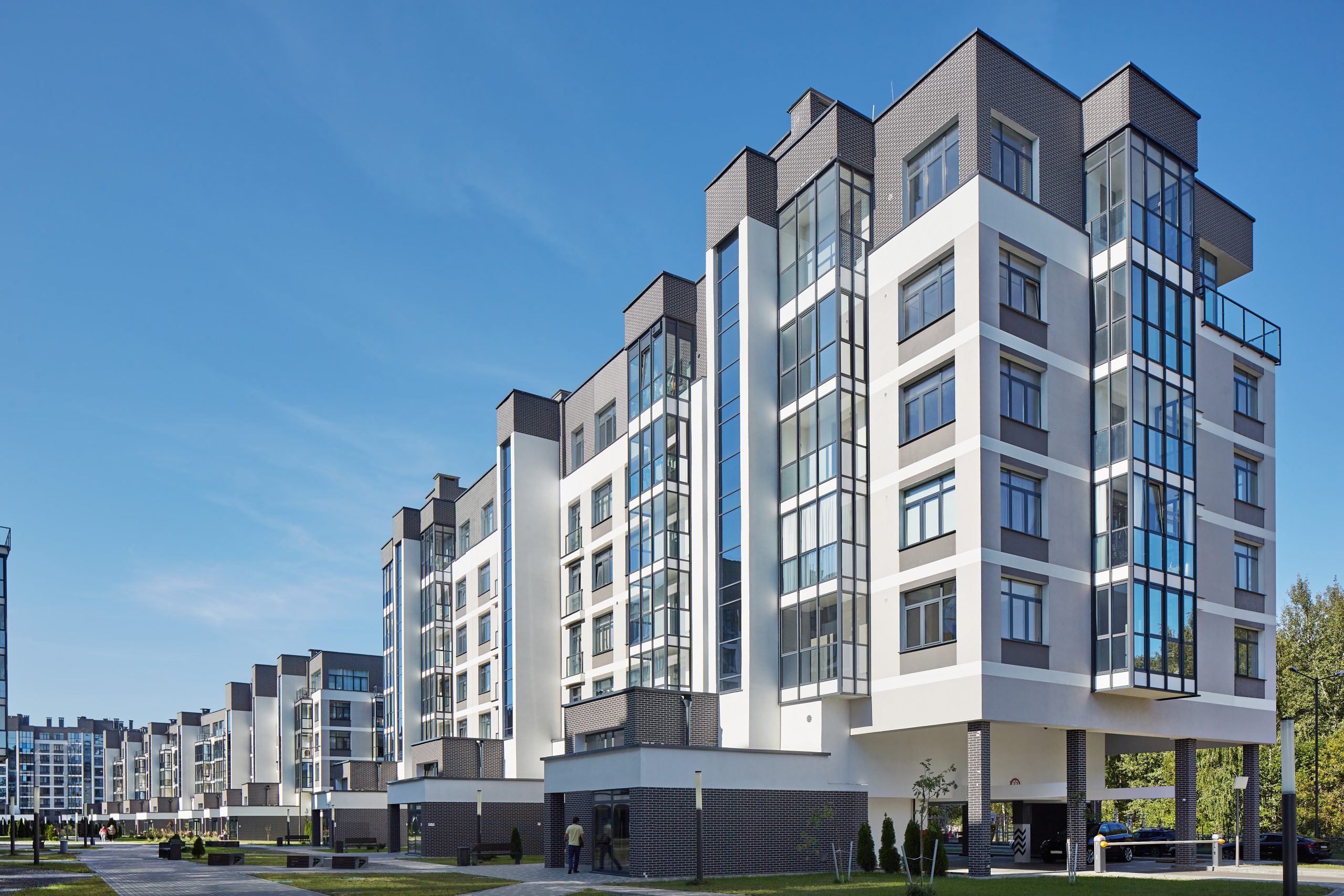
Buy-to-let properties offer investors consistent monthly cash flow while benefiting from long-term capital growth. Apartments, townhouses, and sectional title units are particularly attractive because they often require lower maintenance and have strong tenant demand.
Before purchasing, investors should calculate rental yields carefully, considering expenses such as levies, rates, taxes, maintenance, insurance, and potential vacancy periods. - Student Accommodation Investments
Student housing continues to be one of the most lucrative property sectors in South Africa. Universities and colleges often face shortages of quality accommodation, creating strong demand for private student housing.
Properties located near major educational institutions can generate higher rental returns than traditional residential properties. Investors can maximize profitability by offering secure, well-maintained accommodation with reliable internet access, study spaces, and modern amenities.
As tertiary education enrollment continues to grow, student accommodation remains a resilient investment option in 2026. - Affordable Housing Opportunities
South Africa faces a significant shortage of affordable housing, creating a substantial investment opportunity. Middle-income earners and working professionals often struggle to find quality housing within their budgets.
Investors who develop or purchase properties within the affordable housing segment can benefit from consistent demand and lower vacancy rates. Government initiatives supporting housing development may also create additional incentives for investors operating in this market.
Affordable housing investments may not always deliver the highest rental rates, but they often provide stable occupancy and predictable income. - Short-Term Rental Properties
The growth of tourism and business travel continues to create opportunities in the short-term rental market. Popular tourist destinations and business hubs attract local and international visitors seeking flexible accommodation options.
Properties listed on short-term rental platforms can generate significantly higher income compared to traditional long-term rentals, particularly during peak travel seasons. However, investors must carefully consider management requirements, occupancy rates, local regulations, and maintenance costs.
Success in this sector depends on location, property quality, guest experience, and effective marketing. - Mixed-Use Property Investments
Mixed-use developments combine residential, commercial, and retail spaces within a single property or complex. These developments have become increasingly popular because they provide multiple income streams and diversify investment risk.
A mixed-use property can generate rental income from residential tenants, retail businesses, and office occupants simultaneously. This diversification helps protect investors during economic downturns when one property segment may underperform.
As urban planning increasingly emphasizes convenience and integrated living environments, mixed-use developments are expected to remain attractive throughout 2026 and beyond. - Property Flipping and Renovation Projects
For investors with construction knowledge and project management skills, property flipping can be a profitable strategy. This approach involves purchasing undervalued properties, renovating them, and reselling them at a higher price.
Successful property flipping requires careful market research, accurate renovation budgeting, and a clear understanding of buyer preferences. Investors should focus on properties in desirable neighborhoods where improvements can significantly increase market value.
Although flipping offers the potential for substantial profits, it also carries higher risks than traditional buy-to-let investments. Thorough due diligence is essential before purchasing any renovation project. - Invest Through Property Syndications and REITs
Not all investors want the responsibility of directly managing physical property. Real Estate Investment Trusts (REITs) and property syndications offer alternative ways to participate in the property market.
REITs allow investors to purchase shares in portfolios of commercial, retail, industrial, and residential properties. This strategy provides diversification, professional management, and easier liquidity compared to owning individual properties.
For investors seeking passive income and exposure to the property market without dealing with tenants or maintenance issues, REITs remain an attractive option in 2026. - Industrial and Logistics Property Investments
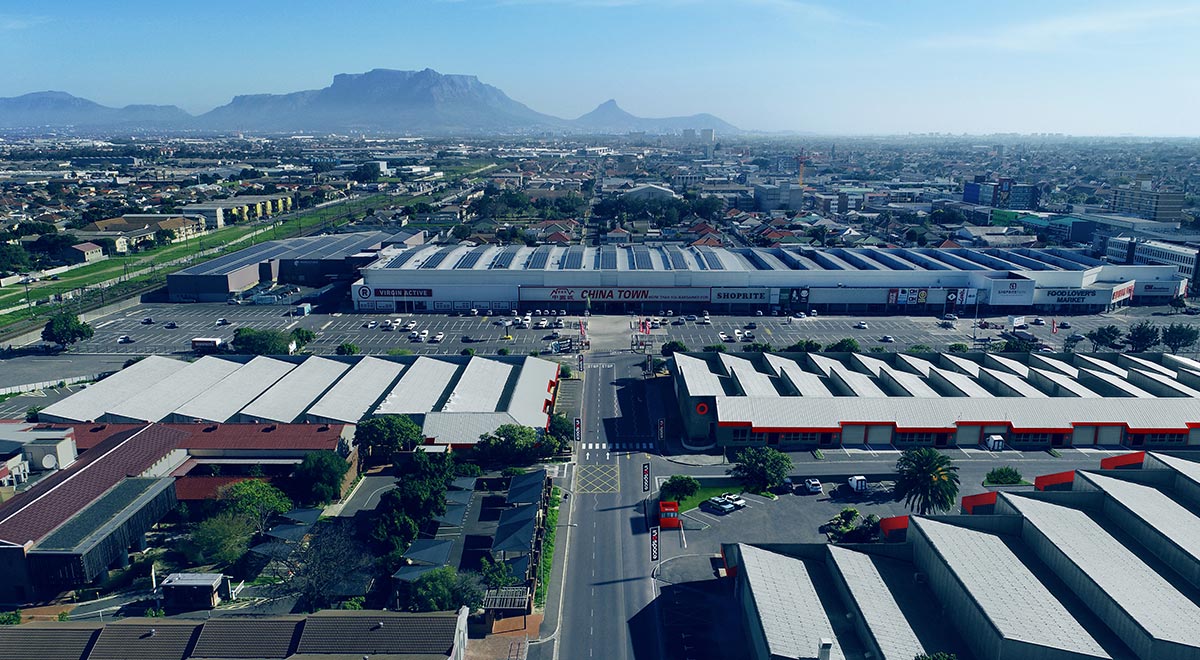
The rapid growth of e-commerce and online retail has increased demand for warehouses, distribution centers, and logistics facilities. Industrial property has emerged as one of the strongest-performing sectors in recent years.
Businesses require efficient storage and distribution infrastructure to meet consumer expectations for fast delivery services. Investors who acquire well-located industrial properties can benefit from long-term leases and reliable tenants.
As South Africa’s digital economy expands, demand for logistics and industrial facilities is expected to remain strong. - Prioritize Sustainable and Energy-Efficient Properties
Sustainability has become an important factor in property investment decisions. Rising electricity costs, ongoing energy challenges, and growing environmental awareness have increased demand for energy-efficient properties.
Properties equipped with solar panels, battery backup systems, water-saving technologies, and energy-efficient appliances are becoming more attractive to tenants and buyers. These features can command higher rental rates and improve long-term property values.
Investors who incorporate sustainable solutions into their properties may gain a competitive advantage in the market while reducing operating costs.
Conclusion
The South African property market in 2026 offers diverse opportunities for investors willing to conduct thorough research and adopt strategic approaches. Whether investing in residential rentals, student accommodation, affordable housing, industrial properties, or mixed-use developments, success depends on selecting the right location, understanding market demand, and maintaining sound financial planning.
Property remains one of the most effective wealth-building assets available. By focusing on high-demand sectors, embracing sustainability, and adapting to changing market conditions, investors can position themselves for strong returns and long-term financial growth. Careful planning, due diligence, and a clear investment strategy will be the keys to success in South Africa’s evolving real estate landscape.