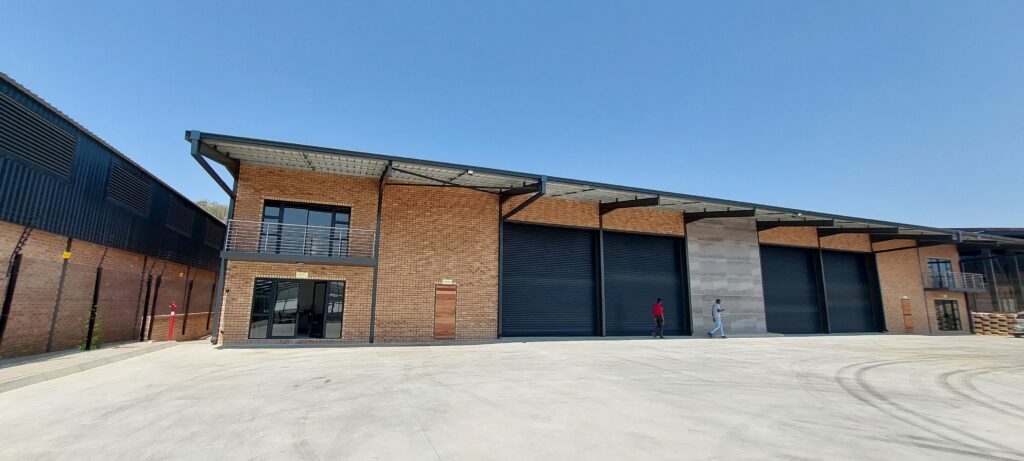
Access to adequate housing is a fundamental human right in South Africa, enshrined in the Constitution. Since the end of apartheid, the government has made significant efforts to address the housing backlog and provide decent shelter for low- and middle-income households. One of the most important ways this is achieved is through government housing programmes.
These programmes are designed to assist citizens who cannot afford to buy homes on the open market. They include fully subsidised houses, financial assistance for first-time buyers, and affordable rental housing options. Despite these efforts, many South Africans are still unaware of how these programmes work, who qualifies, and how to apply.
This article provides a comprehensive overview of government housing programmes in South Africa, including their types, eligibility requirements, application processes, benefits, and challenges.
Overview of Government Housing Programmes
The South African government, through the Department of Human Settlements, offers several housing initiatives aimed at different income groups. These programmes are designed to promote equitable access to housing and reduce inequality.
1. Breaking New Ground (BNG) / RDP Housing
The most well-known programme is the Breaking New Ground (BNG) housing initiative, commonly referred to as RDP (Reconstruction and Development Programme) housing. This programme provides fully subsidised houses to qualifying low-income households.
These houses are typically:
- Fully paid for by the government
- Basic but structurally sound
- Equipped with essential services such as water and electricity
- Allocated to qualifying beneficiaries at no cost
BNG housing targets individuals earning below a specific income threshold, usually very low-income households with no previous property ownership.
2. Finance Linked Individual Subsidy Programme (FLISP)
FLISP is designed for the “gap market” — individuals who earn too much to qualify for RDP housing but too little to afford a home loan from a bank.
This programme provides a once-off subsidy that reduces the amount needed for a home loan deposit. It helps first-time homebuyers access affordable housing in the formal property market.
Key features include:
- Subsidy based on income level
- Assistance with deposit or loan reduction
- Applicable to new and existing homes
- Requires approval of a home loan from a financial institution
FLISP plays a critical role in bridging the gap between low-income housing and private home ownership.
3. Social Housing Programme
Social housing is another important government initiative aimed at providing affordable rental accommodation in urban areas. It is managed by accredited social housing institutions.
This programme focuses on:
- Affordable rental units
- Well-located urban housing
- Mixed-income developments
- Long-term rental stability
Social housing is ideal for individuals who cannot yet afford to buy a home but need secure and affordable accommodation close to employment opportunities.
4. Community Residential Units (CRU)
The CRU programme provides rental housing for very low-income households, often in areas where informal settlements have been upgraded or redeveloped.
These units are typically:
- Owned and managed by municipalities or the state
- Offered at very low rental costs
- Targeted at vulnerable groups
CRU housing helps prevent homelessness and provides basic shelter in urban and peri-urban areas.
5. Rural Housing Subsidy Programme
This programme is aimed at improving housing conditions in rural areas. It supports households living in traditional or communal land settings.
The subsidy can be used for:
- Building new homes
- Upgrading existing structures
- Improving basic services
It is often administered in collaboration with traditional leaders and local municipalities.
Eligibility Criteria for Government Housing
Each housing programme has specific eligibility requirements, but general criteria include:
- South African citizenship or permanent residency
- Being 18 years or older
- First-time beneficiary status (in most cases)
- Household income within specified limits
- Not owning or having previously owned property (for certain programmes)
For RDP housing, priority is often given to:
- Elderly individuals
- People with disabilities
- Child-headed households
- Military veterans
- Low-income families
FLISP applicants must also qualify for a home loan from a participating bank.
How to Apply for Government Housing
Applying for government housing involves several steps, depending on the programme.
Step 1: Registration
Applicants must register on the National Housing Needs Register (NHNR) through their local municipality or online platforms where available.
Step 2: Submission of Documents
Required documents typically include:
- South African ID
- Proof of income or affidavit (if unemployed)
- Proof of residence
- Marriage certificate (if applicable)
- Birth certificates of dependents
Step 3: Verification Process
The government verifies all information to ensure eligibility. This includes income checks, credit assessments (for FLISP), and household status confirmation.
Step 4: Waiting List
Approved applicants are placed on a waiting list. Due to high demand, waiting periods can be long, especially in urban areas.
Step 5: Allocation
Once a housing unit becomes available, beneficiaries are allocated homes based on priority and availability.
Benefits of Government Housing Programmes
Government housing initiatives provide several important benefits:
Improved Living Conditions
Many beneficiaries move from informal settlements or overcrowded homes into safe, formal housing with access to basic services.
Financial Relief
Subsidised housing reduces the financial burden on low-income households, allowing them to focus on other essential needs such as education and healthcare.
Asset Ownership
In many cases, beneficiaries receive full ownership of their homes, helping them build long-term wealth and financial security.
Social Stability
Access to proper housing improves community stability, reduces crime, and enhances overall quality of life.
Challenges Facing Government Housing Programmes
Despite their success, these programmes face several challenges:
Housing Backlog
South Africa still has a significant housing backlog, with millions of people waiting for allocation.
Corruption and Mismanagement
In some areas, corruption and unfair allocation practices have affected the fairness of housing distribution.
Urban Migration Pressure
Rapid urbanisation has increased demand for housing in cities, putting pressure on existing infrastructure.
Limited Funding
Budget constraints often slow down the construction and delivery of new housing units.
Long Waiting Periods
Many applicants wait years before receiving housing, especially in high-demand regions.
Tips for Applicants
To improve your chances of benefiting from government housing programmes, consider the following:
- Ensure your details are correctly registered on the housing database
- Keep your documents updated and accurate
- Regularly check your application status with your municipality
- Avoid submitting false information, as this can lead to disqualification
- Explore multiple programmes such as FLISP if you earn a moderate income
Staying informed and proactive can significantly improve your chances of securing housing assistance.
Government housing programmes in South Africa play a vital role in addressing inequality and providing shelter to millions of citizens. From fully subsidised RDP homes to affordable rental options and financial assistance schemes like FLISP, these initiatives are designed to cater to a wide range of income groups.
While challenges such as long waiting lists and resource constraints remain, the impact of these programmes is undeniable. They continue to transform lives by offering dignity, stability, and hope to those in need.
Understanding how these programmes work is the first step toward accessing them. For many South Africans, government housing remains a crucial pathway to achieving the dream of safe and secure homeownership.
For those that need a hard copy of this article they can email us at info@propertyproz.co.za